Why SORTED is needed: "The textile chain needs to be smarter, more affordable, and circular"

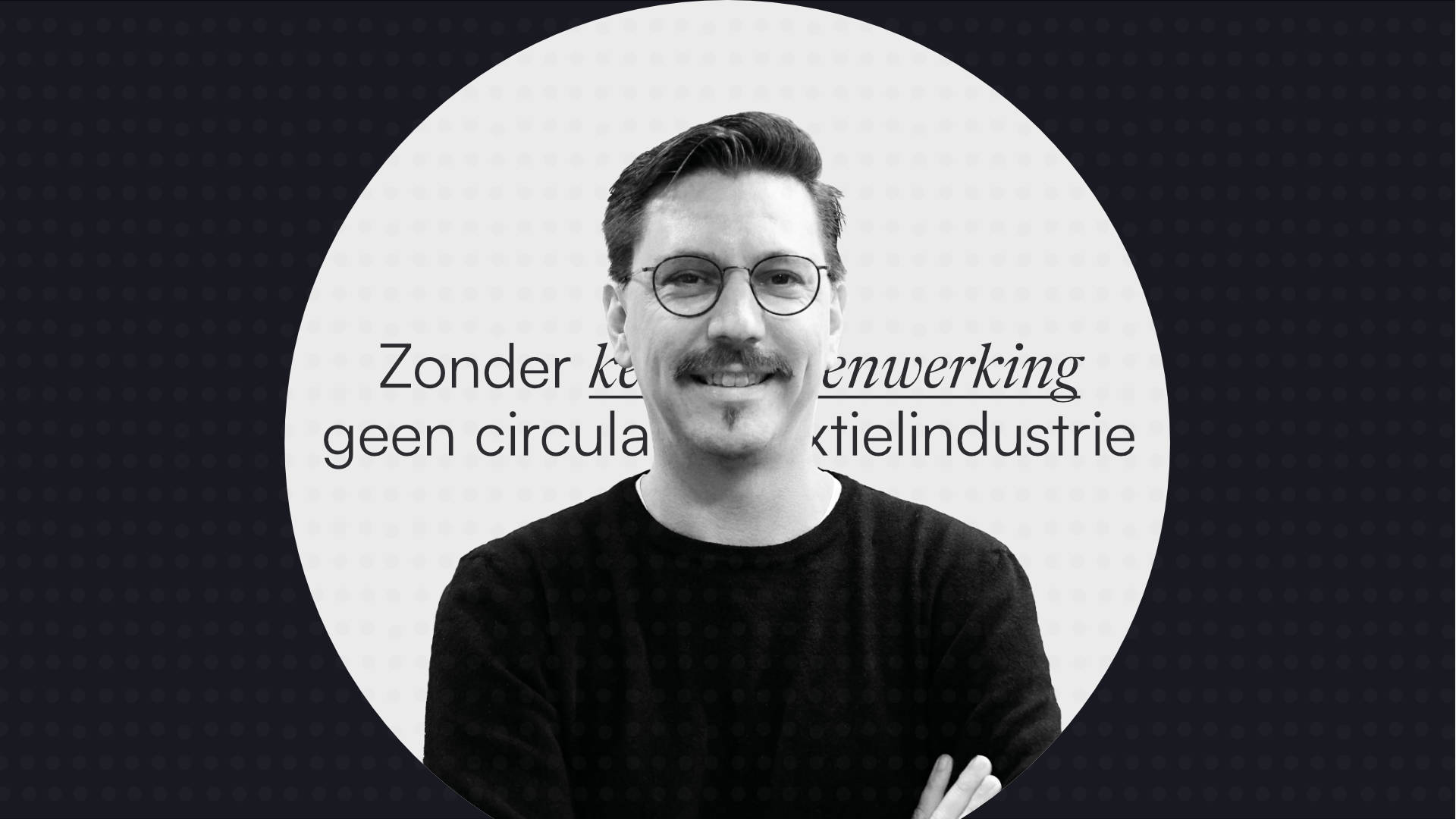
Interview with Charles Graft (Sympany) and Sven Jurgens (Ecoras)
The textile sector is undergoing a fundamental shift. Worldwide, the industry is responsible for about 10 percent of CO₂ emissions, while less than 0.01 percent of all textiles is truly recycled into new fibers. The problem is also growing rapidly in the Netherlands: just in Northern Netherlands, about 31 million kilograms of textiles are discarded annually.
With the project SORTED, companies, knowledge institutions, and governments are collaborating on a circular textile chain. We are speaking with initiators Charles Graft and Sven Jurgens.
Would you like to listen to an edited version of this interview? You can do so via this link (created with Google's NotebookLM app):
Why is this project so urgent right now?
Charles Graft (Sympany)
“Because multiple developments are coming together. We see a strong increase in discarded textiles, while the quality decreases and the yields from reuse and recycling continue to drop further. At the same time, costs keep rising. In the current linear system, that is reaching a deadlock. As a sector, we need to fundamentally change the way we work now.”
Sven Jurgens (Ecoras)
“Additionally, societal and political pressure is increasing. The ambition is to halve the ecological footprint of textiles by 2035. You cannot achieve that with small optimizations. It requires a system change – and that needs to be organized together.”
What is SORTED at its core?
Sven Jurgens
“SORTED is a chain project. We are working on multiple work packages at the same time: advanced sorting, chemical textile recycling, research into consumer behavior, and the development of people working in the sector. It is this combination that makes the project powerful.”
Charles Graft
“The goal is to organize textile flows in such a way that reuse and recycling become possible on a large scale, at lower costs and with better quality.”
Where do you think the biggest bottleneck lies towards a circular textile chain?
Charles Graft
"The economic feasibility. Recycled textiles are more expensive than new raw materials. As long as that remains the case, scaling up is impossible. Costs need to come down and sorting for textile recycling needs to improve."
Sven Jurgens
"You could also say that new raw materials are too cheap. Recycled textiles have to compete with cheap new production, while the environmental costs of production are not factored into the selling price. An uneven playing field, but that is how it currently works. Mandating the use of recycled yarns in textiles could help level the playing field a bit."
How can SORTED reduce those costs?
Charles Graft
"Through automation, robotization, and digitalization. Manual sorting is labor-intensive and limited in scale. With AI-driven sorting, robots, and data-driven processes, we can process larger volumes at lower costs and with better quality."
Sven Jurgens
"That is crucial, because without industrialized sorting, fiber-to-fiber recycling is not economically viable. SORTED precisely targets that bottleneck."
What role do the recycling companies play in the SORTED consortium, and why are they so crucial to the success of the project?
Charles Graft
“Without recycling companies, there is no circular textile chain. With their technology, they make it possible to create new yarns from old textiles. Their demands for quality, purity, and composition are guiding for everything that happens before that, so at textile sorters like Sympany. If we do not take that into account, recycling remains a theoretical story.”
SORTED focuses not only on technology. Why are consumer behavior and education also part of the project?
Sven Jurgens
"Because technology alone is not enough. We investigate how consumers can deal with textiles differently: using them longer, disposing of them better, and making more conscious choices."
Charles Graft
"And for employees in the sector, the work is changing. Automation requires new skills. Therefore, (re)training is an important part of SORTED: we want to take people along in this transition."
Why is Northern Netherlands a logical place for this project?
Sven Jurgens
“The region has unique assets: in-depth knowledge of polymers and yarns, existing recycling initiatives, and strong collaboration between companies, knowledge institutions and governments. This makes Northern Netherlands particularly suitable as a testing ground for circular textiles.”
Charles Graft
“Moreover, there are opportunities here for new employment and innovation. SORTED is not just about reducing waste, but also about building a new, future-proof industry.”
When can people expect the first results of SORTED?
Charles Graft
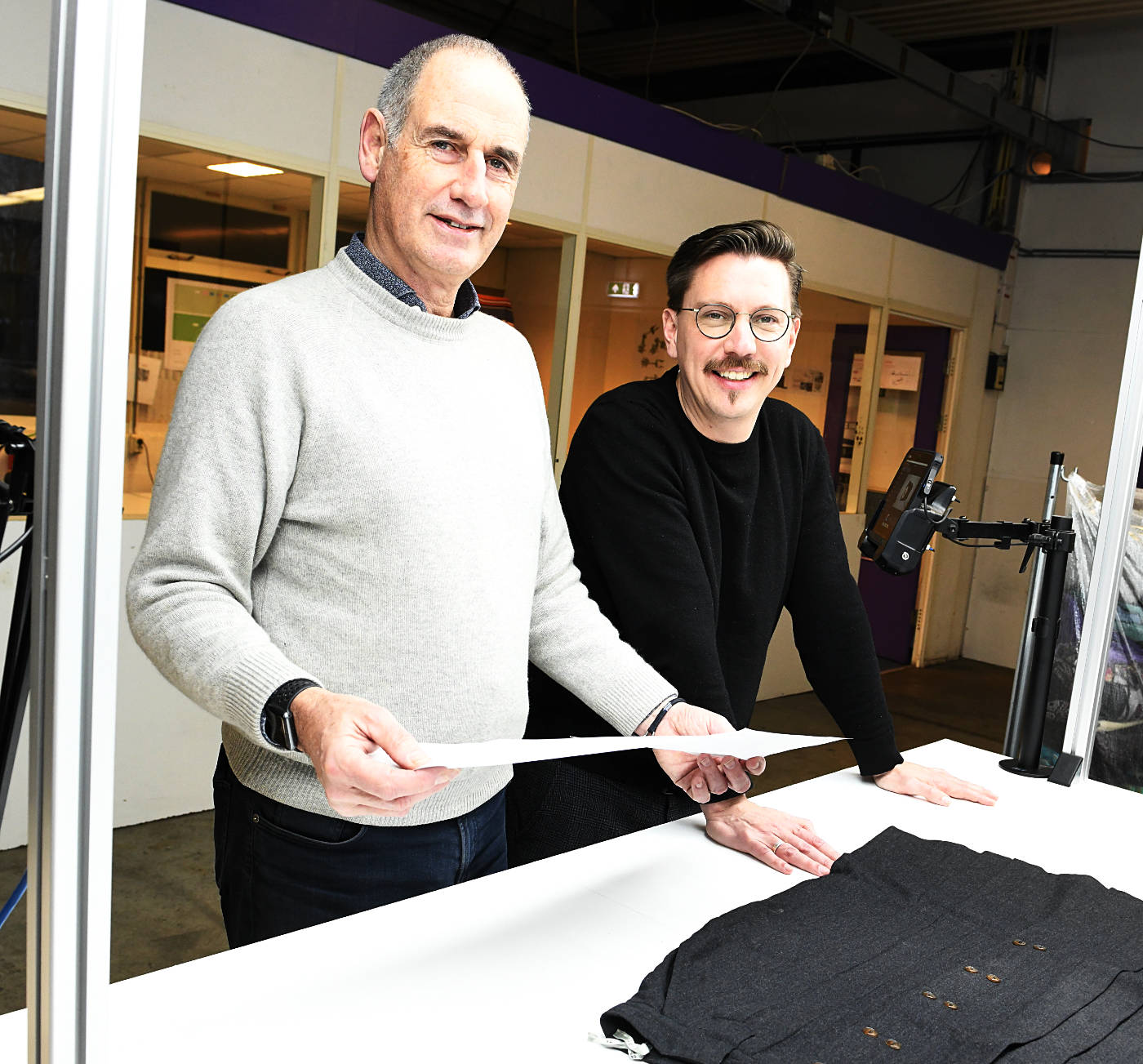
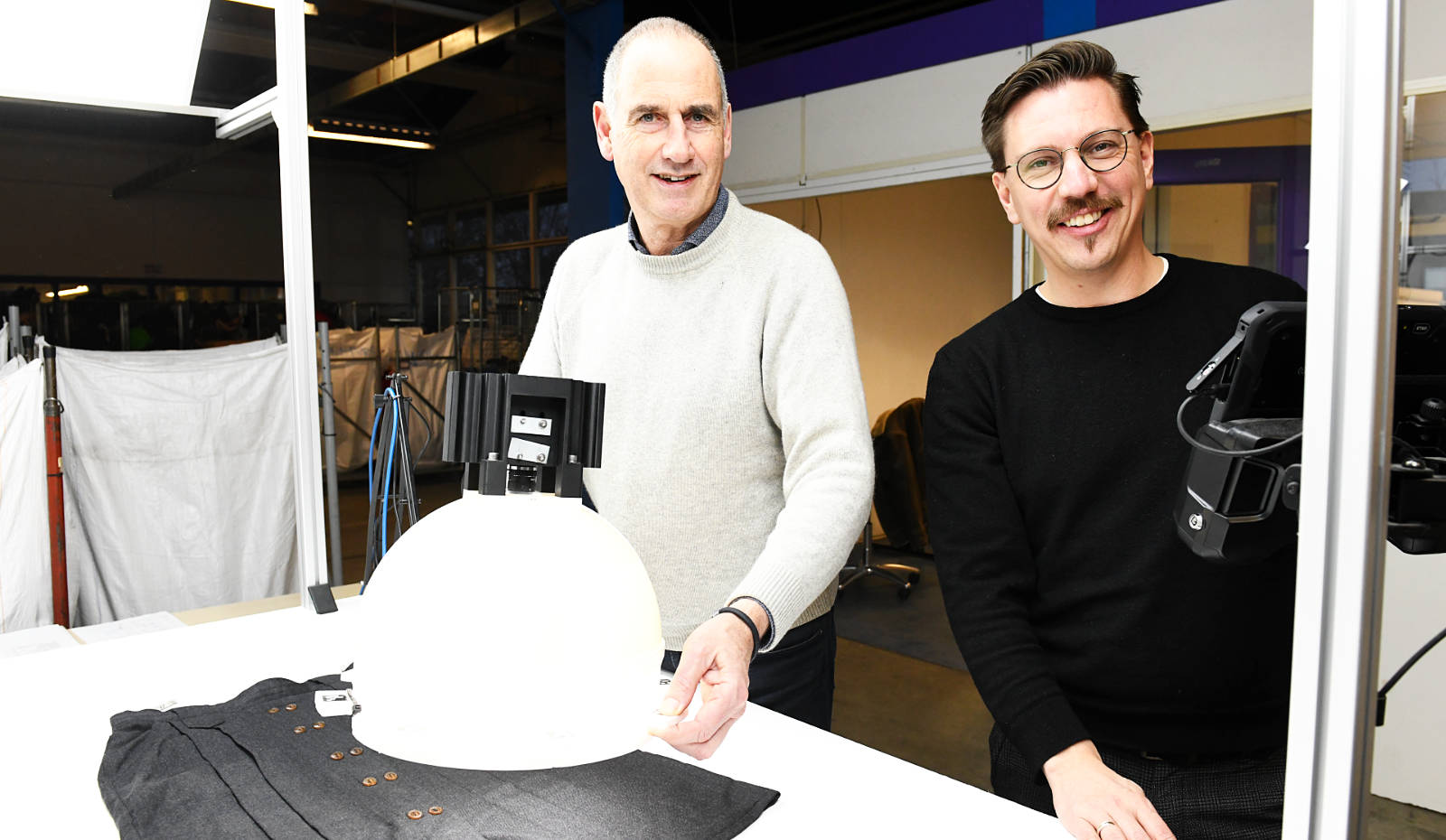
"Although it is a four-year project, we will soon be able to show the first components. For example, the installation to load and train artificial intelligence is already operational. So far, 10,000 clothing items have been scanned. The first trials are also being conducted with the robot to open plastic bags. But to be honest: it is still a long and intensive journey."
Sven Jurgens
"In addition, we want to inspire. We show what is already possible: new technologies, recycled materials, and how beautiful reuse and vintage clothing can be. Circular textiles are not a compromise, but a fully-fledged and attractive alternative. With SORTED, we make that future visible and tangible."
___________________________________________
With SORTED, Northern Netherlands is taking an important step towards a circular textile chain: smarter organized, technologically underpinned, and economically future-proof. In the coming period, SORTED will share more about the progress, innovations, and results of the project.